
INDEPENDENT RISK SURVEYORS (PTY) LTD
Reg 2018/282 696/07
Information on currently valid national and international standards can be obtained from the SABS Standards Division. Below are the main ones relating to Fire Protection in South Africa:
CLASS A FIRE
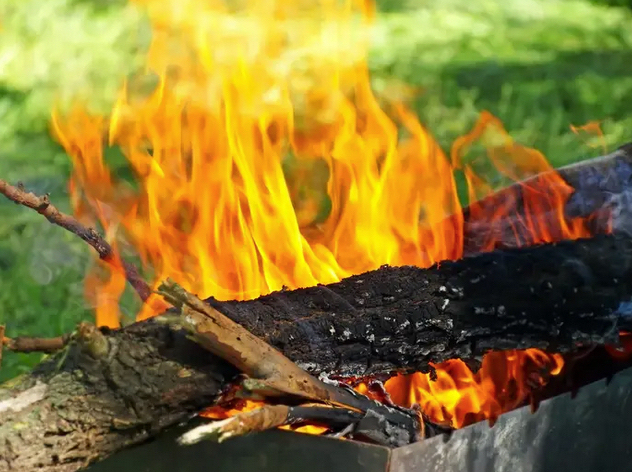
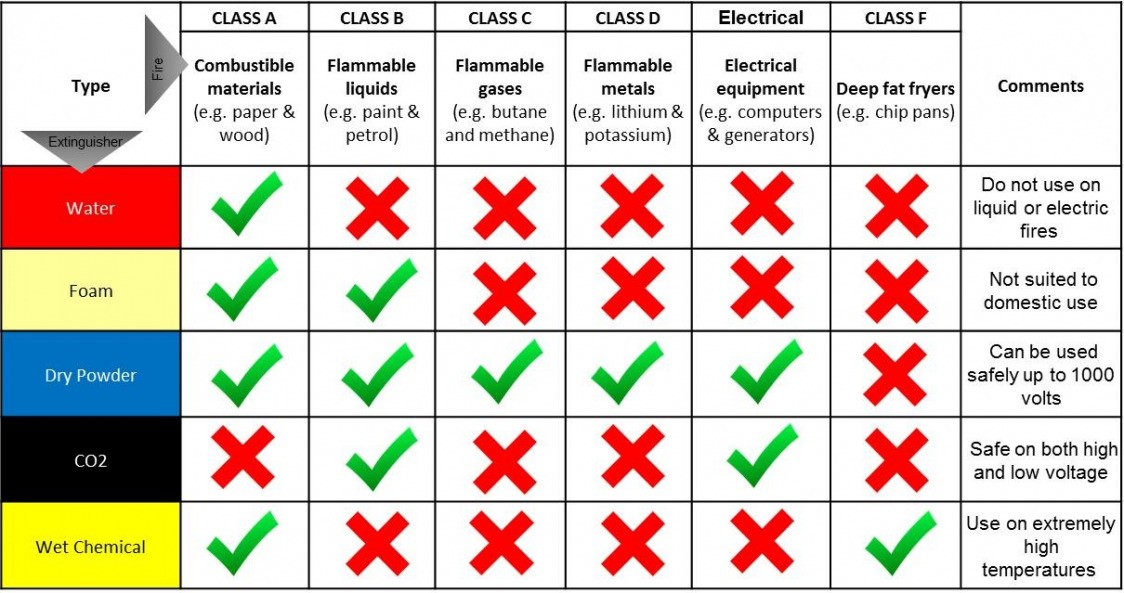
Class A Fires typically involve wood, paper, plastic and clothing (material)
CLASS B FIRE
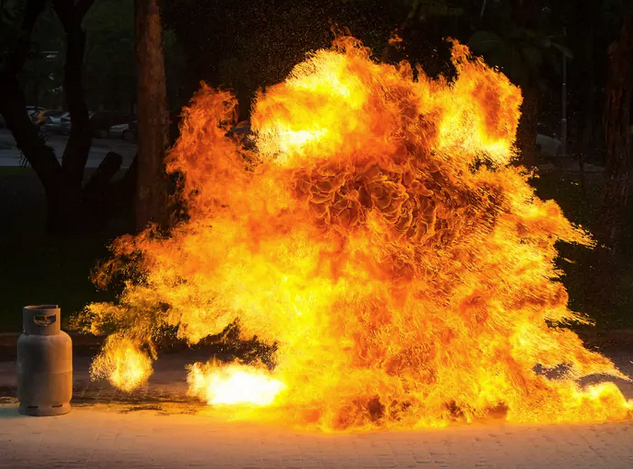
Class B Fires typically involve flammable liquids like oil, alcohol and petrol
CLASS C FIRE
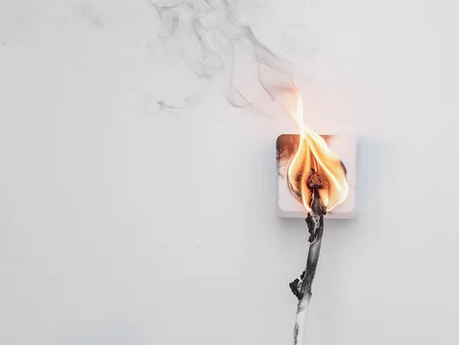
Class C Fires typically involve electricity but can also include flammable gasses like butane and methane
CLASS D FIRE
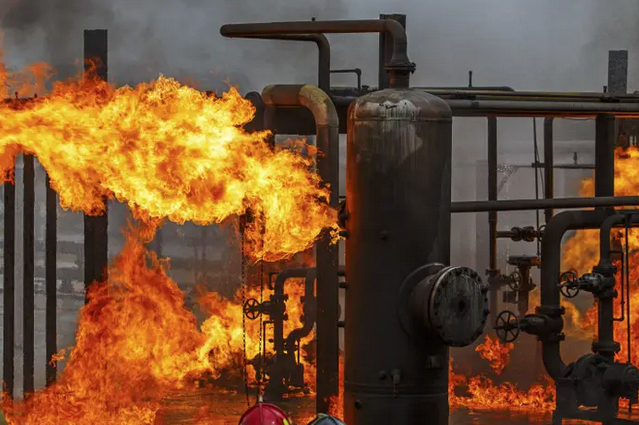
Class D Fires typically involve alkali metals like potassium, magnesium, aluminium and sodium
CLASS K FIRE
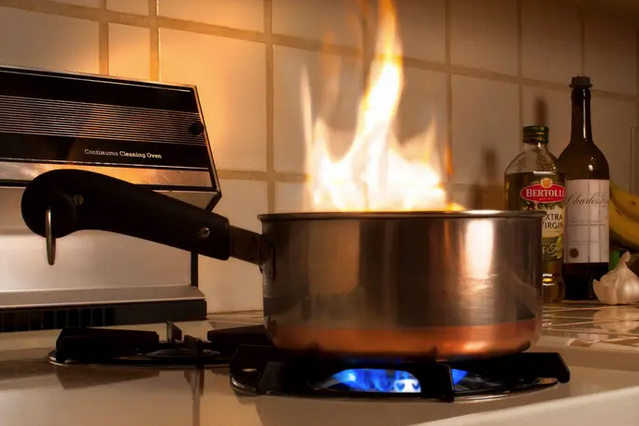
Class K Fires typically involve cooking oils, vegetable oils and animal fats
Fire extinguisher
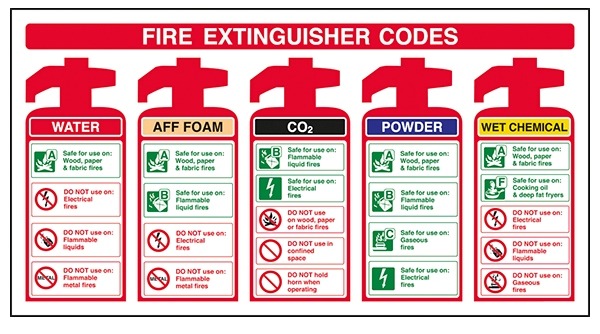
A fire extinguisher is an active fire protection device used to extinguish or control small fires, often in emergency situations. It is not intended for use on an out-of-control fire, such as one which has reached the ceiling, endangers the user, or otherwise requires the expertise of a fire brigade.
Hazardous waste
Hazardous waste is waste that has substantial or potential threats to public health or the environment. Hazardous wastes may be found in different physical states such as gaseous, liquids, or solids. A hazardous waste is a special type of waste because it cannot be disposed of by common means like other by-products of our everyday lives.


Information on currently valid national and international standards can be obtained from the SABS Standards Division. Below are the main ones relating to Fire Protection in South Africa:
CLASS A FIRE
Class A Fires typically involve wood, paper, plastic and clothing (material)
CLASS B FIRE
Class B Fires typically involve flammable liquids like oil, alcohol and petrol
CLASS C FIRE
Class C Fires typically involve electricity but can also include flammable gasses like butane and methane
CLASS D FIRE
Class D Fires typically involve alkali metals like potassium, magnesium, aluminium and sodium
CLASS K FIRE
Class K Fires typically involve cooking oils, vegetable oils and animal fats
Information on currently valid national and international standards can be obtained from the SABS Standards Division. Below are the main ones relating to Fire Protection in South Africa:
CLASS A FIRE
Class A Fires typically involve wood, paper, plastic and clothing (material)
CLASS B FIRE
Class B Fires typically involve flammable liquids like oil, alcohol and petrol
CLASS C FIRE
Class C Fires typically involve electricity but can also include flammable gasses like butane and methane
CLASS D FIRE
Class D Fires typically involve alkali metals like potassium, magnesium, aluminium and sodium
CLASS K FIRE
Class K Fires typically involve cooking oils, vegetable oils and animal fats